
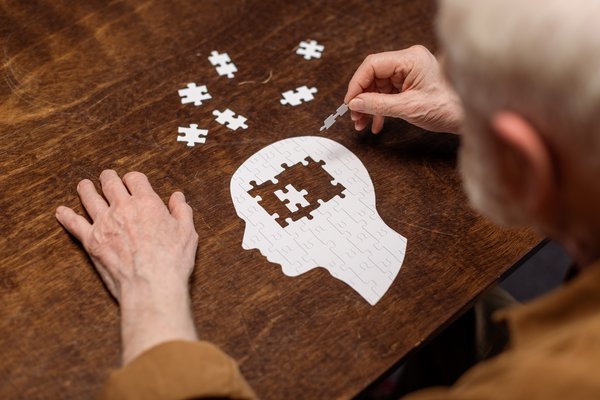
When a loved one begins showing signs of cognitive change, families often have more questions than answers. What kind of support is needed? When is it time to consider memory care? What does brain health support look like day to day?
Understanding the connection between brain health and memory care can help families compare options with more confidence. Memory support communities support cognitive wellness, daily comfort, safety, and meaningful connection for older adults living with Alzheimer’s disease, dementia, or related cognitive conditions.
Understanding Memory Support Communities
Memory support communities provide specialized environments for residents living with dementia. These communities are meant to reduce confusion, support familiar routines, and help residents feel more secure throughout the day.
Many memory care settings include features such as:
- Clear wayfinding to help residents move through the community
- Calm, easy-to-navigate spaces that reduce overstimulation
- Secure outdoor areas for fresh air and supervised movement
- Structured daily routines that provide comfort and predictability
Just as important, care team members receive training in dementia, communication, redirection, and person-first support. That training helps make daily interactions more reassuring, respectful, and personalized.
How Brain Health and Memory Care Work Together
Brain health and memory care often overlap through daily structure, social connection, sensory engagement, and cognitive wellness programs. While no program can stop dementia, the right environment can help residents stay engaged in ways that feel familiar and meaningful.
Quality memory care for seniors often focuses on preserved strengths rather than lost abilities. A resident may connect through music, respond to a favorite recipe, enjoy a simple garden task, or find comfort in familiar stories from the past.
Programs may include:
- Music and rhythm-based engagement
- Art, crafts, and creative expression
- Reminiscence programs tied to personal history
- Gentle movement and wellness programs
- Sensory experiences using scent, sound, texture, or visual cues
These programs support more than memory. They can also encourage connection, reduce frustration, and create moments of purpose throughout the day.
Discovery Senior Living’s Approach to Memory Care
Across Discovery Senior Living communities, Memory Care may include specialized programs such as SHINE® Memory Care or GLOW℠ Memory Care, depending on the community. Both programs are designed to support residents living with Alzheimer’s disease or related dementias through personalization, dignity, and meaningful daily engagement.
SHINE® Memory Care is a science-informed program that emphasizes each resident’s personal history, preferences, abilities, and routines. Its approach may include family collaboration, team member training, dining support, life engagement, and environmental design that helps residents feel more comfortable.
GLOW℠ Memory Care is a holistic approach built around choice, flexibility, and personalized connection. It focuses on helping residents feel seen and valued while supporting cognitive reserve through adaptable programs, sensory enrichment, and routines that evolve as needs change.
These Discovery programs reflect an important idea: memory support should not feel one-size-fits-all. The right approach should recognize each resident’s story, comfort level, and changing needs.
Comprehensive Support for Daily Living
Memory care also includes support with daily routines such as bathing, dressing, grooming, medication reminders, mobility, and meals. These moments are handled with patience, dignity, and respect for each resident’s pace.
Dining is especially important in memory support communities. Cognitive changes can affect appetite, focus, coordination, and comfort at mealtimes. Many communities use supportive dining approaches that may include modified diets, gentle cues, adaptive utensils, familiar foods, and calm dining spaces.
In Discovery communities, dining may also connect with broader wellness and hospitality programs, such as Sensations Dining and Dimensions Health & Wellness, depending on the location. These programs help support the whole person, not just their care needs.
Family Involvement and Education
Families are a vital part of memory care. Loved ones often hold the details that help team members understand a resident’s history, preferences, routines, and sources of comfort.
Strong memory support communities make family communication a priority through:
- Regular updates about health, mood, and participation
- Care conferences when needs or routines change
- Education about the progression of dementia and communication strategies
- Opportunities for family involvement in visits, celebrations, and programs
This support can help families feel less alone. It can also make visits more comfortable, especially as communication changes over time.
Questions to Ask When Comparing Dementia Care Options
When evaluating memory support communities, families should look beyond the building itself. The environment matters, but so do the training, programs, communication, and daily rhythm of care.
Helpful questions include:
- What memory care program or philosophy guides daily support?
- How are cognitive wellness programs personalized for each resident?
- What training do team members receive in dementia care?
- How does the community support residents at different stages of memory loss?
- What safety features are in place?
- How are families updated when needs change?
- How are meals, personal routines, and preferences handled?
A visit can also tell you a lot. Notice whether residents seem engaged, whether team members speak with warmth and patience, and whether the community feels calm, clean, and well-organized.
Planning for the Transition to Memory Care
Moving to memory care is a major life change, and planning ahead can make the process easier. Starting before a crisis gives families more time to compare options, ask questions, and include a loved one in decisions when possible.
Families can help support the transition by sharing personal history, favorite music, meaningful routines, food preferences, hobbies, and calming strategies. Familiar items, such as photos, a favorite blanket, or meaningful decor, can also help a new apartment or suite feel more comfortable.
The first few weeks may take some adjustment. Consistent visits, open communication with care team members, and patience with the process can help everyone settle into a new routine.
FAQ: Brain Health and Memory Care
What Is the Difference Between Memory Care and General Senior Living?
Memory care is for older adults living with Alzheimer’s disease, dementia, or related cognitive changes. It typically includes a secured environment, specialized team member training, structured routines, and cognitive wellness programs.
When Should a Family Consider Memory Care for Seniors?
Families may consider memory care when a loved one’s cognitive changes begin affecting safety, daily routines, nutrition, medication management, hygiene, or overall well-being. A physician or senior living advisor can also help families understand the next steps.
Do Cognitive Wellness Programs Improve Dementia?
Cognitive wellness programs don't cure dementia. However, they can support engagement, connection, comfort, and quality of life by focusing on familiar routines, preserved abilities, and meaningful daily experiences.
How Can Families Find Memory Support Communities?
Families can compare memory support communities by location, living options, services, programs, and the level of support their loved one needs.
-2.jpeg?width=1576&height=710&name=1-web-or-mls-SW%2089th%20St-002%20(2)-2.jpeg)
%20(54).jpg?width=1200&height=630&name=New%20Episode%20(1200%20x%20630%20px)%20(54).jpg)